
Obstetric fistula is a serious complication of prolonged labour that causes incontinence, shame and social segregation. It can nearly always be prevented.
Obstetric fistula and why health systems must meet women’s essential needs
Posted on:
Wednesday, May 20th, 2026
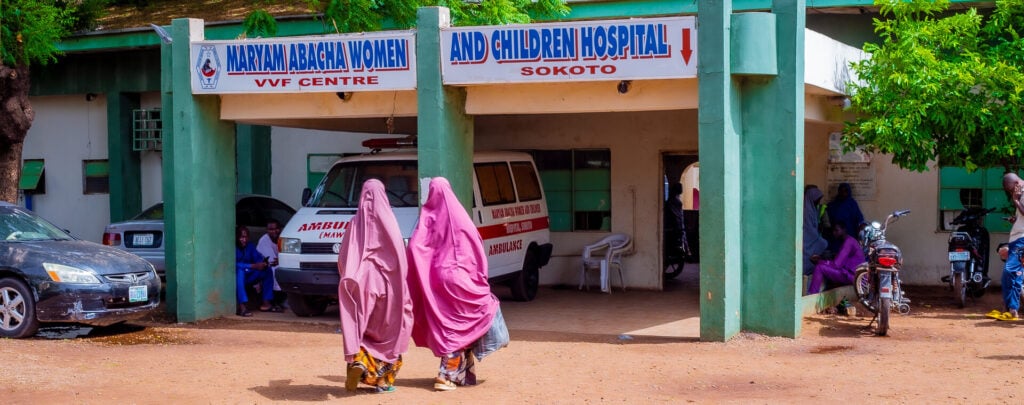
It’s estimated that two million women and girls live with untreated obstetric fistula and the rate is especially high in Sub-Saharan Africa and Asia. With timely obstetric care, birth injuries like this are almost entirely preventable. But for marginalised women and girls living in poverty or with disabilities, safe childbirth often remains out of reach.
Living with pain and stigma
Nigeria is one of the most dangerous countries in the world to give birth. Here, more than 150,000 women and girls live with fistula.
It’s difficult to fully comprehend the pain and stigma they experience. The leaking of urine and faeces stains a woman’s clothes, and the wetness and smell is extremely uncomfortable. On top of this, many face rejection by their families and friends, and sometimes their whole communities.
Fistula requires surgery to be corrected – but many people living in marginalised communities either cannot afford treatment or are not aware of the treatment options. Healthcare workers may not have received the training to identify and treat fistula, so women can spend years of their lives housebound and isolated.
Safiya’s story
When 30-year-old Safiya from Nigeria went into labour, she knew that something didn’t feel right. She couldn’t push. After 24 frightening and painful hours in labour, her baby was born by caesarean section. Initially, Safiya was relieved to have delivered her baby, but she soon realised something was wrong. She was leaking urine constantly and was told she had an obstetric fistula.
Poverty and disability increase barriers to healthcare
For women and girls like Safiya – living in poverty or with a disability – gender inequality is intensified. It means they face even greater barriers to healthcare and education. And this increases the risk of preventable and debilitating health problems – like obstetric fistula.
It’s why CBM works alongside local partners in Nigeria to run comprehensive and inclusive women’s health projects. These are providing life-changing surgery, rehabilitation, and mental health support for women and girls affected. As well as this, the projects support the training of healthcare staff, provision of equipment and safer maternity practices to prevent fistula in the first place.
International Day to End Obstetric Fistula
International Day to End Obstetric Fistula on 23 May is a vital reminder of the work to be done. This year’s theme – ‘Her health, her right: Shaping a future without fistula’ – emphasises the fundamental right of every woman and girl to health, particularly sexual and reproductive health. The continued existence of obstetric fistula is a clear violation of that right.
For the estimated two million women and girls living with obstetric fistula, the need for gender-responsive health systems that are inclusive and accessible is clear. Essential healthcare services should not be dependent on geography, income, or status.
More news like this
September 8, 2026
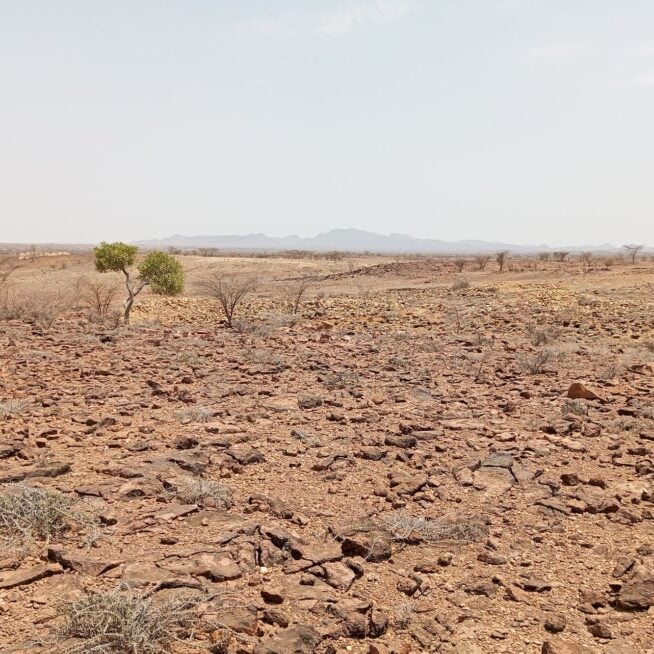
El Niño, extreme weather, and the impact for people with disabilities
Scientists are concerned that the coming El Niño period could bring yet more extreme weather to many parts of the world. This could directly threaten lives and livelihoods, as well as bringing food shortages for millions, with people with disabilities likely to be among the hardest hit.
September 2, 2026
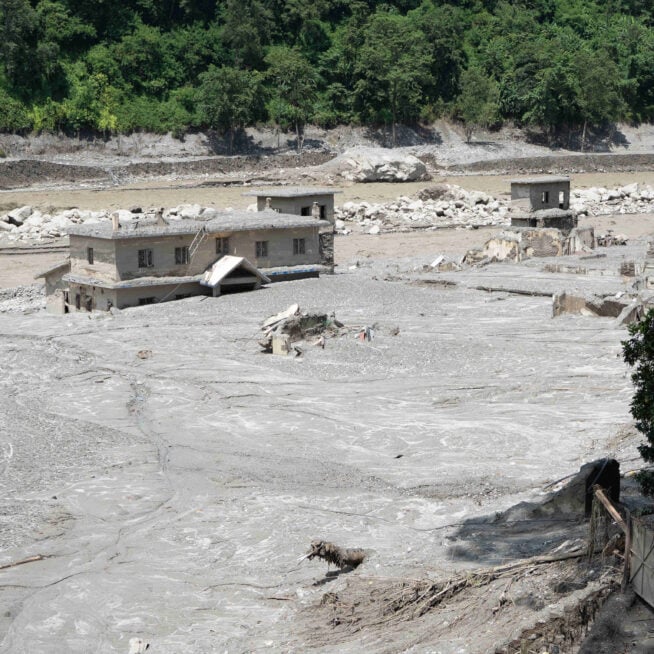
How we’re responding to the deadly floods in Nepal
In the chaos of a disaster, people with disabilities are often among the worst affected and the last to receive help. That's why we're working alongside local partners in Nepal to support those most at risk – and most often forgotten.
August 6, 2026
How inclusive education can transform the lives of girls with disabilities
How an inclusive education project in Zimbabwe reached more than 20,000 out-of-school adolescent girls and provided them with essential skills, confidence and independence to live fulfilled lives.