What is El Niño?
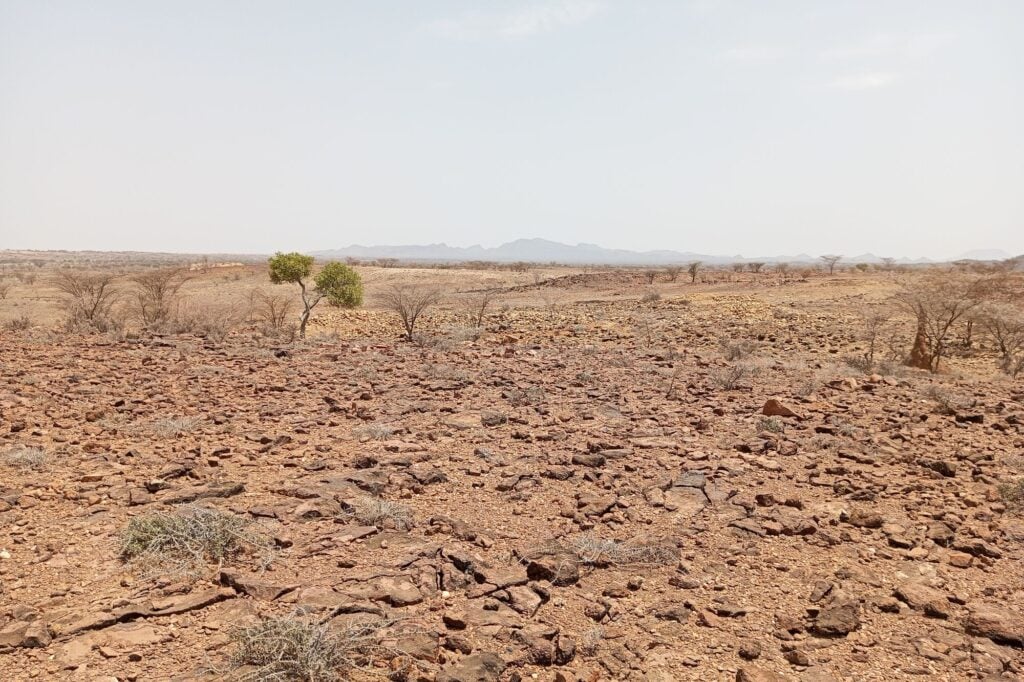
El Niño occurs when sections of the Pacific Ocean are warmed. This impacts weather patterns across the globe, leading to devastating floods, droughts, heatwaves and monsoons. These extreme weather events do not just impact local populations: they can wipe out crops and raise prices, restricting food access for millions of people across the world.
Why is this year’s El Niño particularly worrying?
While previous El Niño events have caused severe devastation, including flooding in East Africa affecting over 5 million people, 2026 could be the strongest on record. The World Food Programme estimates that by the end of 2027, 274 million people across 45 countries will be acutely food insecure, which means their lives are at risk from a lack of food and nutrition. That’s an increase of 49 million from current levels.
What could it mean for people with disabilities?
In crises like these, the most vulnerable are often overlooked and forgotten. For people with disabilities this can mean being unable to access medical supplies or humanitarian assistance. It can mean missing out on critical information and warnings before a disaster strikes.
At CBM UK, we have supported thousands of people facing drought in Kenya and Zimbabwe, as well as those affected by deadly floods in Indonesia and most recently in Nepal. When we respond to a disaster, our emergency response specialists and local partners work to find people with disabilities who have been affected. We meet their immediate needs of food, water, shelter, and healthcare.
Critical to this is strengthening inclusive early warning systems and supporting disability inclusive preparedness measures and response. When disaster strikes, this is essential to save lives.
Why an inclusive response matters
Like many humanitarian and development organisations, we work in areas experiencing the worst effects of climate change to help communities prepare, adapt and respond. This is about protecting livelihoods and food security, as well as ensuring access to essential services like health, education, water, and sanitation.
But despite these efforts, community preparedness, early warning systems and livelihood protection still aren’t always inclusive of high-risk and hard-to-reach populations. And that’s because of the barriers people with disabilities face accessing weather information, transport, healthcare, education, livelihoods, social protection services and emergency assistance. Barriers that are often made worse by poverty, stigma, and a lack of representation in local decision-making processes.
What next?
As we consider the likely impact of El Niño, CBM’s commitment to working with and alongside marginalised groups is more important than ever. To protect lives and livelihoods, and to build resilient, self-sufficient communities, climate preparedness and response plans must be disability-inclusive. And that means consulting and involving people with disabilities before disasters occur – so that the response meets their needs, is informed by their perspectives, and nobody is left behind.
Find out more about our work responding to disasters and emergencies here