As Nepal responds to the devastating flash floods and landslides that hit the country last week, CBM is working at pace to reach some of the most marginalised.
How we’re responding to the deadly floods in Nepal
Posted on:
Wednesday, September 2nd, 2026
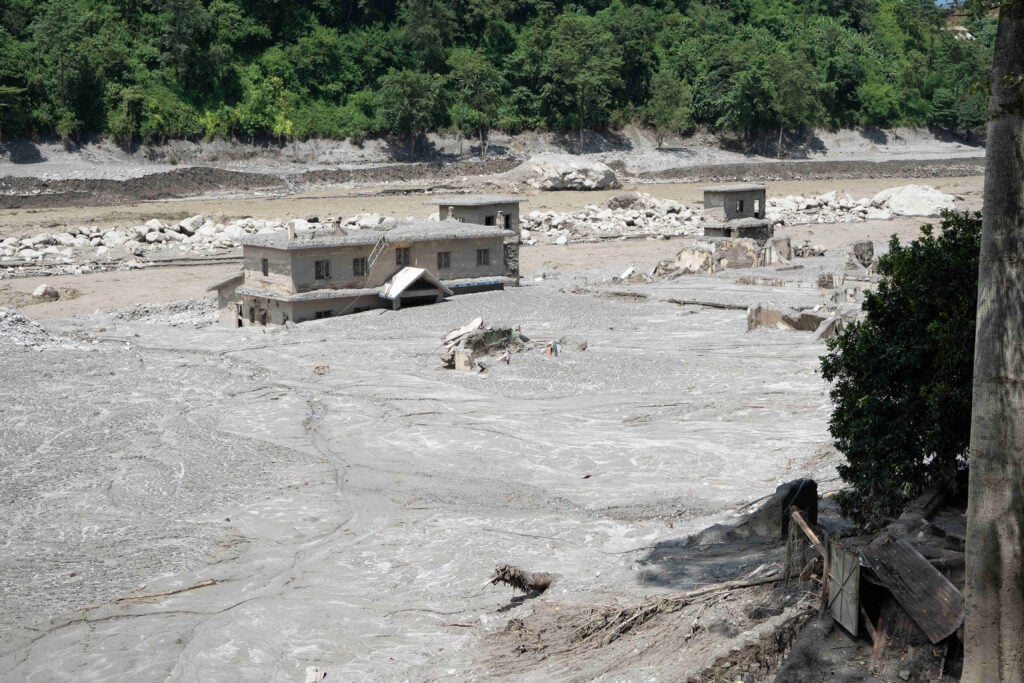
In the chaos of a disaster, people with disabilities are often among the worst affected and the last to receive help. That’s why we’re working alongside our local partners in Nepal to support those most at risk – now and in the months ahead.
When floodwaters destroy homes, roads, health services and communication systems, the barriers disabled people already face in reaching services, information and support become far worse, and often life-threatening.
Evacuation routes, emergency warnings, transport, shelters, healthcare and essential supplies are often not accessible. And with the risk of further flooding, disabled people face ongoing danger if they cannot receive warnings, leave unsafe areas, or reach the support they need in time.
Homes and livelihoods destroyed
Bhawana and her husband have two young daughters and live close to the river in the badly affected Nuwakot region. Bhawana has limited vision and a hearing impairment. As the water rose, she couldn’t hear the shouts of warning. Members of her community managed to guide her to safety using hand gestures.
The flood seriously damaged the family’s tin-roofed home and swept away their animals and belongings. Now Bhawana and her family can’t return home because it’s no longer safe. “I have nothing, I don’t know how I’m going to deal with it,” she told our partner in Nepal.
Girija and her family also live in Nuwakot. They’ve been there for nearly 20 years, running a small shop and working hard to build a future for their children. On the morning of the flood Girija recalls people saying the shop would be swept away and urging them to move their belongings to safety.
“The shop was swept away, and the house was swept away. All my husband’s clothes and all the goods he used to sell were swept away….there is nothing left,” she explained.
Reaching those left behind
In the aftermath of a deadly flood like this, CBM has the local knowledge and local networks to act fast – supporting people in the immediate aftermath and helping to rebuild lives and communities in the months to come.
We’re working alongside our Nepali partner organisations to provide essential assistive devices and emergency rehabilitation equipment, including spinal collars, knee supports and crutches – both to disabled people and those who’ve been injured. We’re also enabling the delivery of basic needs items like mattresses, buckets and torches, combined with vital mental health support and counselling that continues long after the flood waters have receded. And we’re advising other organisations on how they can include disabled people in their own response and recovery programmes.
CBM UK’s Interim Director of Programme Impact, Ursula Grant said: “As communities in Nepal face the aftermath of these catastrophic flash floods, our thoughts are with all those who have lost loved ones, homes and livelihoods. For many people with disabilities, fear and uncertainty are compounded by barriers that make it harder to receive warnings, reach safety or access vital assistance. In moments of crisis, no one should be invisible. We stand with our partners in Nepal in calling for a response that reaches everyone affected and upholds the dignity, rights and safety of all.”
This support will be critical now and in the months ahead as people recover. CBM has worked in Nepal since 1982 alongside partners who ensure disabled people are included in disaster preparedness, response and recovery. Through partnerships with local organisations and the disability movement, we make sure disabled people are part of emergency planning and decision-making, and that humanitarian response and recovery is inclusive and accessible to their needs.
To support people affected by the floods in Nepal, especially disabled people, you can donate to CBM UK’s emergency appeal.
More news like this
October 6, 2026
World Sight Day: shining a light on eye health and CBM’s work
This World Sight Day, we’re shining a light on the importance of accessible eye care and the simple innovations helping to bring sight-saving services closer to the people who need them.
October 1, 2026
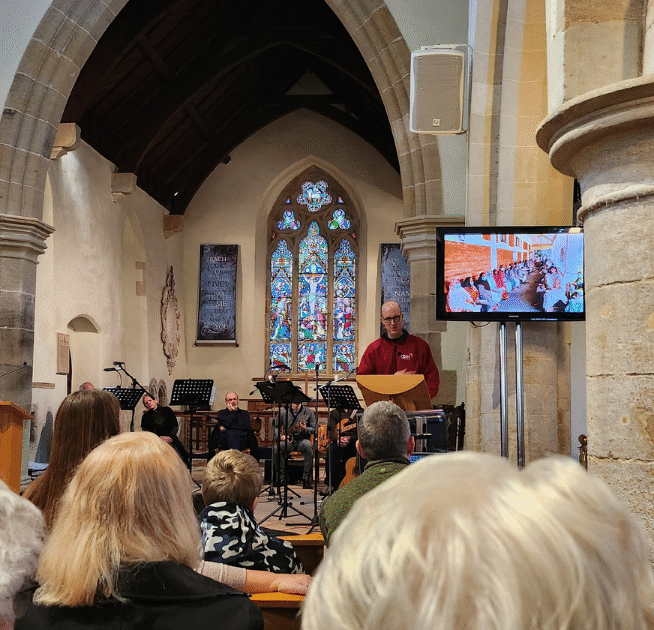
Your love can Light the Way This Christian Blind Mission Sunday 2026
This year, Christian Blind Mission (CBM) Sunday falls on 12 October, the first Sunday after World Sight Day on 9 October. Churches across the country are invited to join CBM in prayer and reflection for people living with avoidable blindness.
October 1, 2026
Longer lives must be inclusive lives: why ageing matters to disability inclusion
The world is living longer. But as populations age, how do we rethink the systems needed to support longer lives lived with dignity, choice and inclusion?