A month after devastating flash floods swept through central Nepal, CBM and our local partners continue to provide inclusive support to people affected by the disaster.
One month on: CBM’s Nepal flood response continues
Posted on:
Monday, September 28th, 2026
On 26 August, one of the most destructive floods in Nepal’s history surged down the Bhote Koshi River on the Tibet-Nepal border. It was caused by a partial glacier collapse, likely triggered by the warming effects of climate change.
The devastation was immediate: the massive amounts of ice, rock and debris unleashed caused catastrophic flooding and landslides. Entire communities were affected as homes, schools, roads, bridges and critical infrastructure were swept away.
More than 125,000 people have been impacted, with over 1,300 lives lost, thousands injured and many more displaced from their homes. A national emergency has since been declared by the Government of Nepal.
Overcoming logistical challenges
Reaching affected communities is still difficult. Many roads and bridges were destroyed during the floods, forcing local communities to build temporary crossings and alternative access routes. It’s also monsoon season, which makes the response harder. Heavy rainfall has triggered more landslides and flooding, and in just the last few days, twelve more people have died. Authorities have warned of the possibility of more flash-floods to come, as water levels in major rivers and tributaries continues to rise.
And among those most at risk are people with disabilities, who often face significant barriers accessing emergency information, aid services and healthcare during a crisis.
Acting fast
CBM has been working in Nepal for more than four decades. When the disaster struck, we immediately pulled together a task force to assess the situation and respond rapidly.
Our CBM Nepal team worked closely with local partners to identify vulnerable people and communities and plan an inclusive response. This means making sure people with disabilities – including people with newly acquired injuries and disabilities – can access essential items and support to meet their immediate needs and longer-term recovery.
Around 400 people with disabilities are estimated to be in urgent need of support, while hundreds more require assistive devices to maintain their independence and access essential services.
What we’re doing
Already, and over the coming months we are:
- Supporting 3,000 people with essential non-food items like torches, buckets and pillows.
- Providing mental health support to 12,800 people affected by the floods – that’s 10% of the affected population.
- Screening and referring 2,500 injured and disabled people through mobile rehabilitation and outreach clinics – and helping them access surgery.
- Distributing nearly 500 assistive devices and mobility aids like wheelchairs and crutches.
- Getting the message out to more than 25,000 people in the affected areas about the services and support available.
Why do we focus on disability during a disaster?
When a disaster strikes, people with disabilities are up to four times more likely to die. But they are often the last to receive help in a crisis – or are left out altogether. Many early warning and communication systems do not meet the access needs of people with disabilities – for example those with hearing loss who can’t hear an alarm. And assistive devices and medication can be lost in a disaster situation, leaving people more vulnerable than usual. Then there’s the challenge of travelling to aid centres or standing in line for food if you have mobility problems.
Reduced mobility, sensory loss and additional needs all increase people’s vulnerability during and following a disaster, and the negative attitudes of others can make it even harder to get help. And when it comes to rebuilding for the future, the access needs of disabled people are rarely considered.
Looking beyond the emergency
As we move into the second month of our humanitarian response, we are already planning how to support people to rebuild and recover. CBM will remain in the area to ensure activities are as inclusive as possible – and this will continue long after the catastrophe disappears from world news.
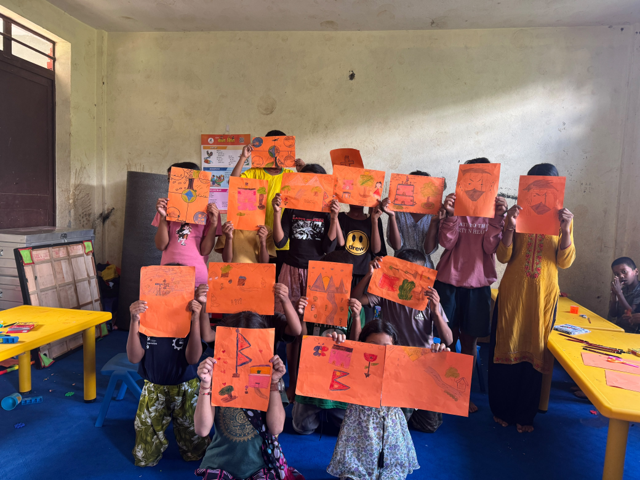
We have already established a disability helpdesk and recruited specialist humanitarian, rehabilitation and psychosocial staff. We’ve also started procuring and distributing medical supplies and assistive devices. And we’re delivering group mental health sessions for adults and children living in temporary accommodation – like those in the picture at the start of this article. Plus, we’re advising other humanitarian organisations on how to ensure their responses are accessible and inclusive.
Through our Nepal Emergency Appeal, we continue to raise funds to support both the ongoing humanitarian response and longer-term recovery efforts. This will ensure that people with disabilities can rebuild their lives with dignity and hope – and with greater resilience for the future.
Find out more and support the appeal: Nepal Emergency Appeal
More news like this
October 6, 2026
World Sight Day: shining a light on eye health and CBM’s work
This World Sight Day, we’re shining a light on the importance of accessible eye care and the simple innovations helping to bring sight-saving services closer to the people who need them.
October 1, 2026
Your love can Light the Way This Christian Blind Mission Sunday 2026
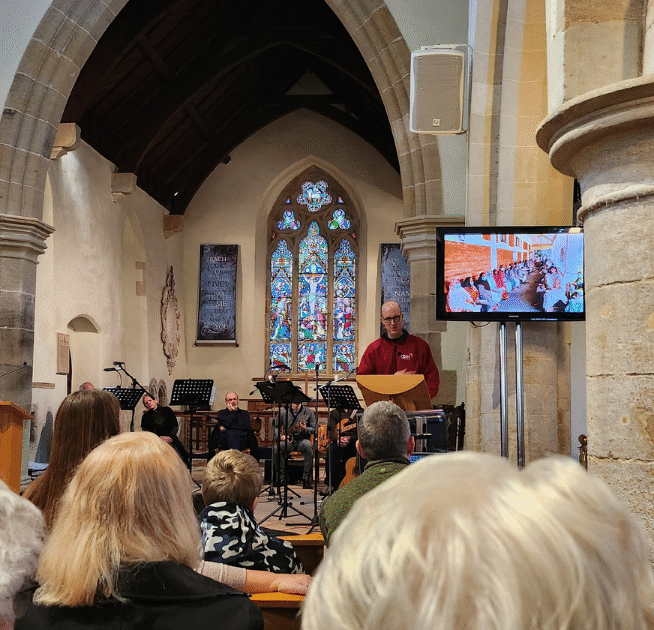
This year, Christian Blind Mission (CBM) Sunday falls on 12 October, the first Sunday after World Sight Day on 9 October. Churches across the country are invited to join CBM in prayer and reflection for people living with avoidable blindness.
October 1, 2026
Longer lives must be inclusive lives: why ageing matters to disability inclusion
The world is living longer. But as populations age, how do we rethink the systems needed to support longer lives lived with dignity, choice and inclusion?