
Disability-Inclusive Climate Finance: The Road to COP31 and Beyond
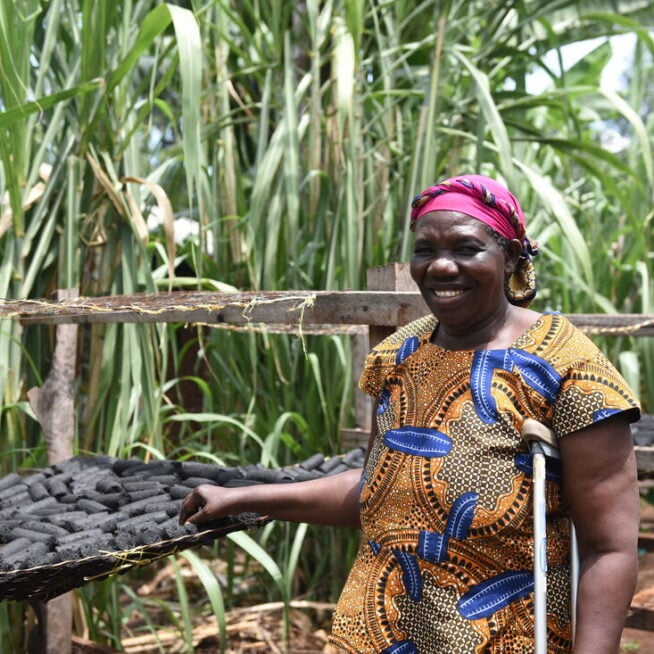
Climate change is deepening inequalities, with people with disabilities among those most at risk of its impacts. Yet too often, they are excluded from decisions about climate action and the funding intended to support communities facing the biggest challenges.
New CBM-commissioned research, ‘Disability-Inclusive Climate Finance: The Road to COP31 and Beyond’, examines climate finance in Kenya, Indonesia and Nepal. It reveals persistent gaps between commitments to disability inclusion and how climate finance is allocated and delivered.
Download the full report below alongside ‘Beyond Recognition’, which is a summary of the main findings with recommendations for Climate Fund Boards, Donor Governments and National Climate Finance Leaders.
At COP 31, CBM is calling for fairer, more accessible and accountable climate finance that includes the leadership and expertise of people with disabilities at its heart. Drawing on the report’s findings, this is how it can be done:
- Recognition is not inclusion. Mentioning disability in climate policies is not enough. People with disabilities and their representative organisations (OPDs) must have genuine influence over decisions, access to funding and a role in holding institutions accountable.
- Commitments must lead to action. Disability inclusion must be a measurable requirement in climate financing decisions, from project approval and partner selection to funding allocation and monitoring.
- Fairer climate finance needs a joined-up approach. OPDs must be involved from the outset to access funding and monitor outcomes for people with disabilities. Connecting these elements will support a genuinely just transition.
- The systems for inclusion already exist. Climate finance mechanisms already track spending and priorities: these can be adapted to ensure disability inclusion is built into funding decisions and results.
- Locally led finance must also shift power. As well as bringing funding closer to communities, OPDs must have meaningful roles in setting priorities, making decisions and allocating resources.