
Over 90% of visual impairment is preventable or treatable, but only if health systems can deliver timely, affordable care.
Improving vision for communities in Zimbabwe’s Midlands Province
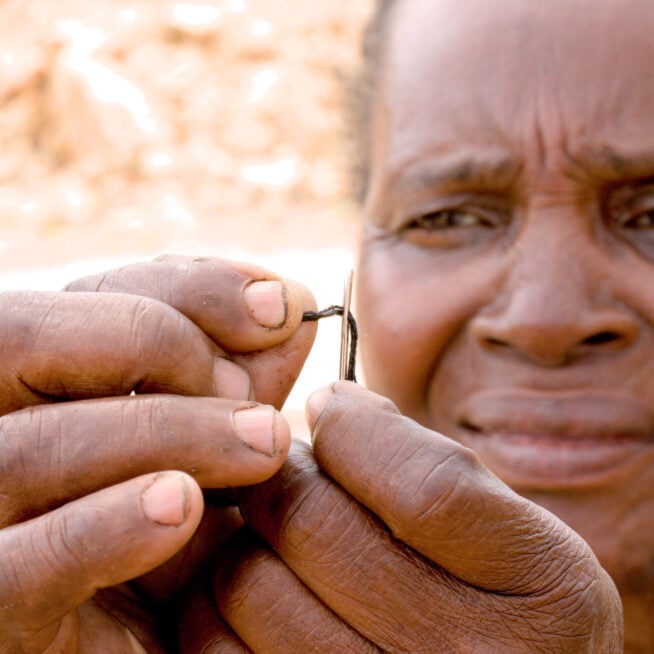
In Zimbabwe, a CBM-supported project strengthened eye health services across the whole Midlands Province using the World Health Organization (WHO) Health System Building Blocks Framework. By the end of the three year project, 54,101 people had accessed eye health services and every district hospital had a standalone eye unit. This contributes to calls from both the WHO and the UN to integrate eye health into Universal Health Coverage and the Sustainable Development Goals.
Community mobilisation was critical to successfully strengthening the health system. By working with traditional and faith healers, who are often the first point of contact for people seeking care, the project helped to signpost referral pathways and reduce harmful eye health practices. Eye health champions, many of them cataract surgery recipients, shared their stories to challenge fears and misconceptions that make people less likely to seek care. With community discussions and radio broadcasts as well, these actions helped increase the uptake of modern healthcare services.
Who should read this
These documents are useful for anyone interested in inclusive health systems, and especially policymakers, health authorities, programme implementers and funders working on health systems strengthening and eye health. They are also for Organisations of Persons with Disabilities (OPDs) and people who need evidence to push for inclusive, community-led health services.