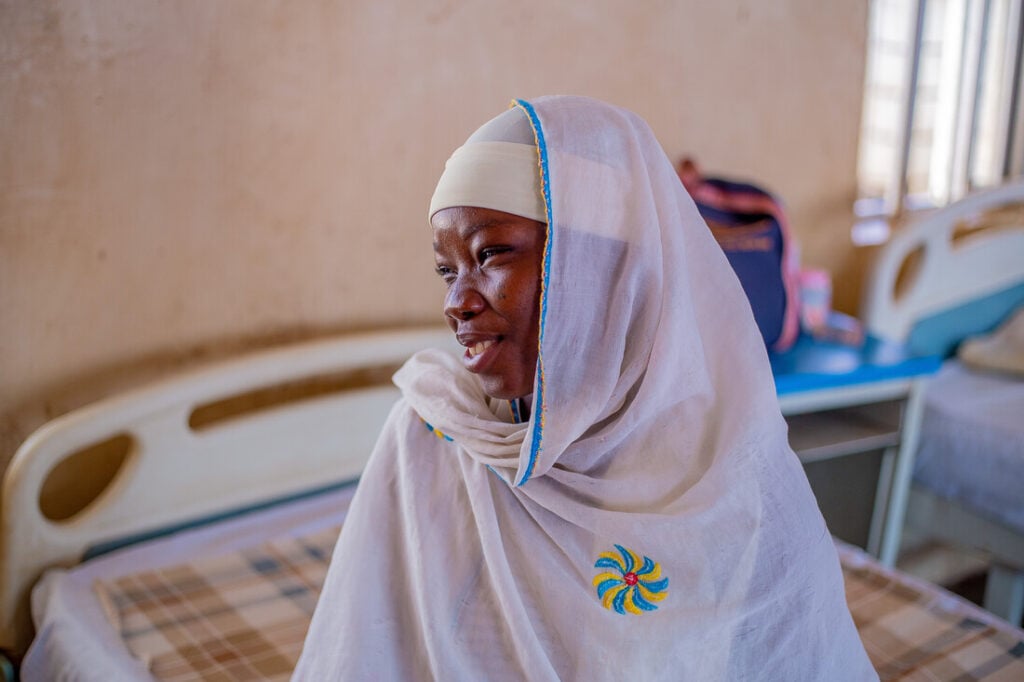
This International Women’s Day we’re shining a light on the lack of access to safe childbirth for all women.
Preventing obstetric fistula: Why safe childbirth remains out of reach for many women
Posted on:
Thursday, March 5th, 2026
Globally, the World Health Organisation estimates that 50,000 to 100,000 women develop obstetric fistula every year. And in Asia and sub-Saharan Africa, around two million women live with this debilitating condition. In these countries, for every woman who receives treatment, at least 50 go without.
What is fistula?
Obstetric fistula is a serious but preventable complication of childbirth. It usually happens because of prolonged labour and lack of maternal healthcare. It causes a hole in the birth canal which results in incontinence, shame and social segregation.
Without treatment, women live in pain and discomfort for many years, with social exclusion severely limiting their ability to work or integrate in their communities.
And this is despite the fact that – with timely obstetric care – birth injuries like this can be prevented. As International Women’s Day calls for equal rights in all aspects of life, including healthcare, safe maternity care remains out of reach for many of the world’s most marginalised women.
Childbirth in a dangerous place
Nigeria is one of the most dangerous countries in the world to give birth. Here, more than 150,000 women live with fistula. It’s difficult to fully comprehend the pain and stigma they experience. The leaking of urine and faeces stains a woman’s clothes, and the wetness and smell is extremely uncomfortable. On top of this, many face rejection by their families and friends, and sometimes their whole communities.
Arziki (pictured above), who featured in a CBM fundraising appeal last year, was just 13 years old when she experienced a horrific childbirth injury. Complications arose during labour, and she spent four days in agony at home before being taken to hospital. Her baby was stillborn, and while lying in her hospital bed, she realised something else was wrong “I noticed the bedsheet was wet,” she said. “I was told I had developed a fistula.”
Improving antenatal healthcare
Together with two local partners, CBM runs comprehensive and inclusive women’s health projects in Nigeria. These are providing life-changing surgery, rehabilitation, and mental health support for women and girls already affected. As well as this, the projects support the training of healthcare staff, provision of equipment and safer maternity practices to prevent fistula in the first place.
Thankfully, Arziki benefitted from these projects. Her life changed when she heard from a woman in her neighbourhood that fistula can be treated. She visited CBM’s partner hospital in Katsina, where she was able to have the surgery she needed. “I am now healed… I’m very excited, I’m happy,” she said afterwards. “I no longer suffer from the fistula.”
As actor Penelope Wilton, who supports our fistula work, has said: “No woman should be left to suffer alone from a preventable childbirth injury. The fact that fistula can be treated makes it all the more vital that we act.”
Read more about our work in Nigeria.
Find out more about International Women’s Day 2026.
Photo: ©CBM /RukotoTV
More news like this
June 2, 2026
Reflections on the CRPD at 20: laws matter – but people make change
Mary Keogh, CBM Global’s Advocacy Director, reflects on the UN Convention on the Rights of Persons with Disabilities as it marks 20 years since its adoption.
May 7, 2026
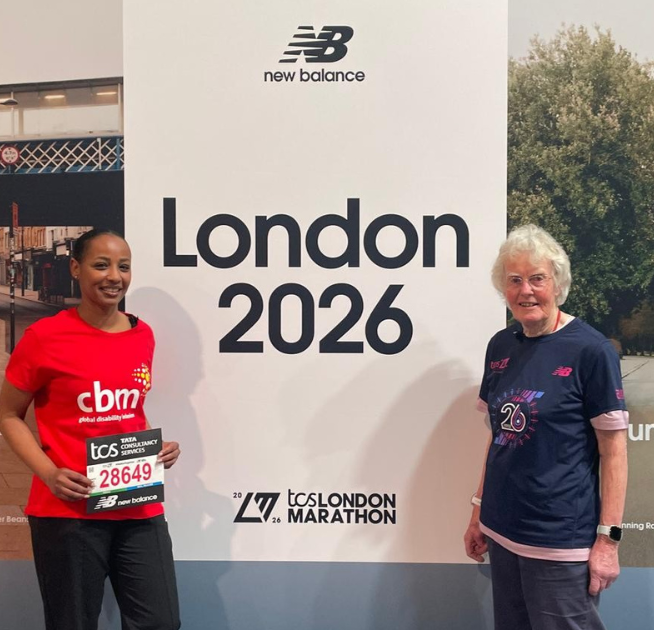
Arwa’s Marathon Story for CBM UK
Over the next week, we’ll be sharing stories from our incredible Team CBM UK marathon runners. We’re so grateful to every one of our runners who took on this challenge to support CBM UK.
April 30, 2026
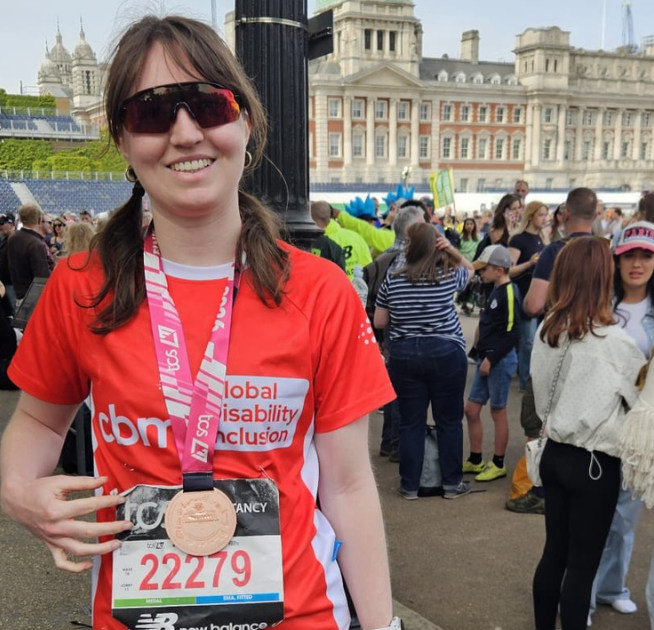
Amelia’s Marathon Story for CBM UK
Over the next week, we’ll be sharing stories from our incredible Team CBM UK marathon runners. We’re so grateful to every one of our runners who took on this challenge to support CBM UK.