Skip to content
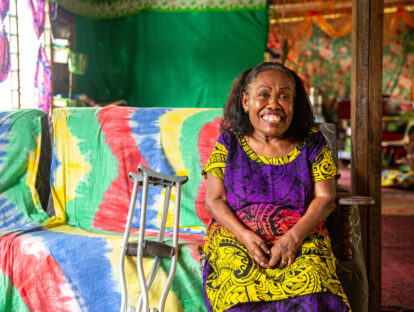
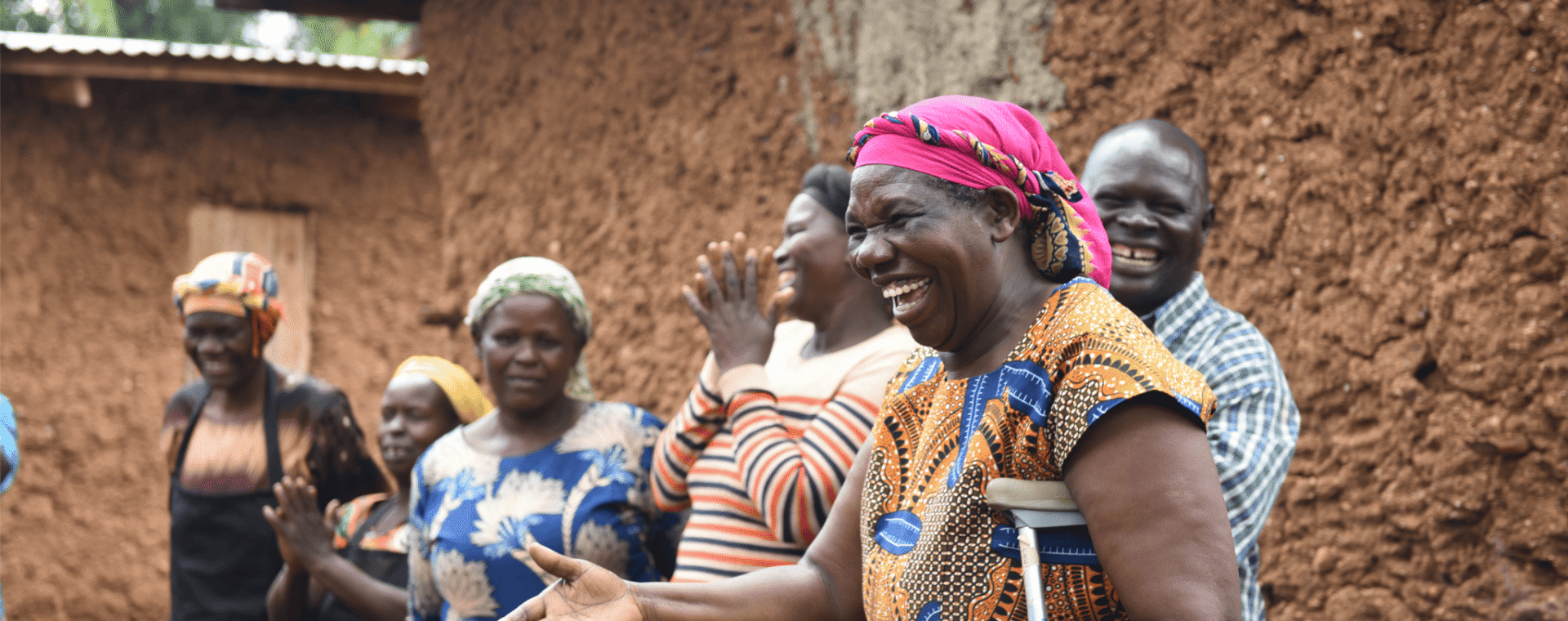
A group of people stood outside smiling and laughing. The woman who is standing closest to the camera has her hand outstretched and the other holding a crutch.

Disability inclusion: we’re changing the game

As a leader in inclusive enterprise, CBM’s portfolio spans health, climate, humanitarian action, education and livelihoods. We’re excited to collaborate with partners, funders and impact investors to scale up disability inclusion as infrastructure – so that every development pound delivers for everyone. Talk to us about investing in entrepreneurial ways to transform the lives of people with disabilities 


Connect with us at Skoll

We’re at the Skoll World Forum in Oxford this week. Hear from us at these events:

Youth Suicide Prevention: Why a change of approach is needed
Tuesday 21 April, 10:30 AM – 12:30 PM (Marmalade Festival)

Why Should We Care About Disability-Inclusive Health?
Wednesday 22 April, 12:30 PM –1:45 PM, Headley Theatre, Ashmolean Museum

Systems Failure: Where Do We Go From Here?
Wednesday 22 April, 2:15 PM – 3:30 PM, Ashmolean Museum

Climate Finance to the Frontlines: Getting Resources Where They’re Needed Most
Thursday 23 April, 2:00 PM – 3:00 PM, New Road Baptist Church

Or connect with our attendees on Linked In: 

Kirsty Smith OBE, CEO
Deborah Crowe, Director of Programme Impact
Allan Thompson, Director of Fundraising, Impact, and Communications
Mark Barrell, Director of Advocacy and Influencing
Emma Symonds, Programme Manager and Disability Inclusion Advisor
Erla Magnusdottir, BasicNeeds Mental Health Coordinator

Inclusion as infrastructure

One in six people live with a disability – that’s 1.3 billion people worldwide – and more than 80% live in low- or middle-income countries. As the largest marginalised group in the world, they are also the ones most left behind. That’s why disability inclusion must be an operating system that upgrades whole sectors. It’s this approach that will increase reach, resilience and value for money. And it must be a priority for all of us.

Innovation that shifts power

At CBM we know how to do this. Together with our local partners, and with the vital support of funders, we design tech-enabled, evidence-based and scalable programmes for disability inclusion. These innovative models allow men, women, girls and boys to access education, healthcare and the opportunity to earn a living. And they work because we invest in activists and advisors with disabilities to lead the change.

We don’t want to live in a world of retrofit. Instead we co-design and co-create for inclusion. This approach future-proofs investments from the outset – by linking movement leadership to real delivery mechanisms, across health, mental health, NTDs and education.
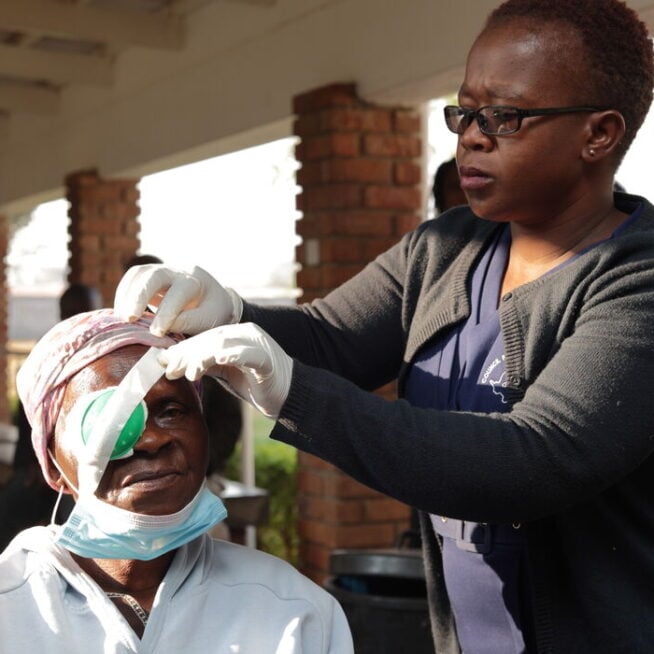
A female healthcare worker adjusts the eye bandage on a elderly male patient who is sitting down.

Our impact

In 2025, alongside our local partners, CBM UK programmes reached 1,383,163 people.

234,311 people were treated for blinding diseases (including receiving a visual assistive device).

922,826 people were screened or examined for eye disease to prevent blindness or low vision.

32,105 people were supported to earn a living or improve their livelihood.

9,494 people accessed mental health services in health systems supported by CBM.

3,955 people were supported to access education services.

Access our resources

Our game-changing, scalable programmes demonstrate how healthcare, humanitarian, climate and finance systems can be redesigned to work for everyone. Browse our resource library for the evidence briefs and reports that show how our innovative models work in practice – and the impact they have on real people’s lives. 


A man and a woman hold a plant pot containing seedlings outside a hut.

Read our latest news

From frugal health tech to innovative healthcare models, browse our news and blogs to see how CBM projects are changing the lives of people with disabilities through low-cost, integrated and community-led approaches. It’s a great way to discover the depth and breadth of our work.

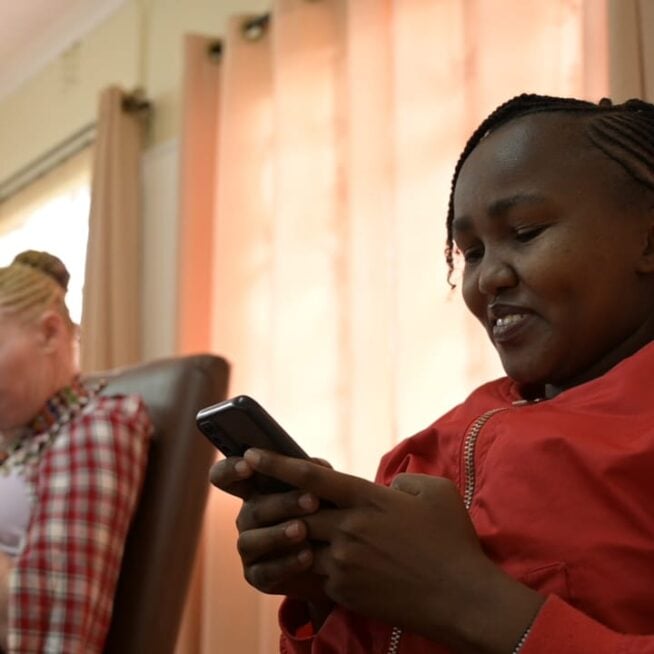
A woman wearing red sits down at a participatory storytelling workshop in Kenya and uses her phone.