
Everyone should be able to get the eye care they need. But cost, distance and inaccessible services still prevent many people from getting an eye examination or treatment.
CBM Global makes five commitments to improve access to eye care
Posted on:
Friday, October 30th, 2026
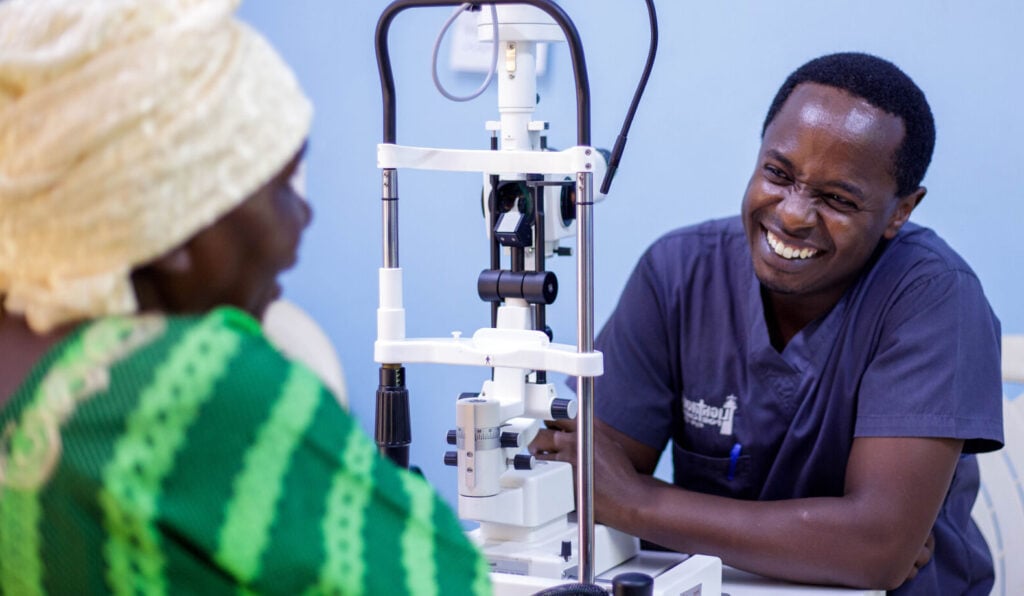
On 2 November, CBM Global will bring five commitments to improve access to eye care to the first Global Summit for Eye Health in St John’s, Antigua and Barbuda. CBM Global’s Inclusive Eye Health Director, Danny Haddad, will represent us.
Hosted by the Government of Antigua and Barbuda, with technical support from the World Health Organization, the summit will bring together government leaders, funders, businesses and civil society organisations. The goal is to secure action and funding so that more people can access quality eye care.
For CBM Global, this is an opportunity to highlight who is still missing out. As governments and funders invest in eye care, they must address the barriers facing people with disabilities and communities with limited access to services.
“Success means people can get the care they need,” says Danny Haddad. “Health workers need the skills and tools to identify eye conditions. People need to be able to reach and use treatment services. And people with disabilities must help shape those services. We want the summit to secure lasting support for this work.”
Five commitments towards 2030
Our ambition is for everyone to have access to quality eye care throughout their lives. To help achieve this, we will work with governments and partners towards five commitments by 2030:
- Double access to primary eye care from 15 million to 30 million people. We will support training and deployment of frontline health workers, using tools such as the Arclight device to help identify eye conditions. Priorities include vision problems that need glasses, eye damage caused by diabetes, and glaucoma.
- Do 2 million eye screenings for newborns and infants. These checks will help identify conditions that threaten sight and life, so children can receive treatment earlier.
- Increase our annual cataract surgery reach to 120,000. Building on approximately 91,000 surgeries in 2025, we will work with eye hospitals in Africa and Asia to help more people access high-quality surgery.
- Identify gaps in low vision and vision rehabilitation services and systems in at least three countries, starting with Kenya. These services support people living with lasting vision loss. We will support assessments using the TARRS tool and publish the findings to help guide improvements.
- Work with organisations of persons with disabilities to make all our eye health investments inclusive. We will work in partnership with these organisations and be accountable to them. Using Accessibility GO! A guide to action and training in accessibility and inclusion, we will help services address barriers at every stage of care—from seeking help to treatment and follow-up. We will continue this work in Lao PDR and Nepal and expand to Bangladesh and the Philippines.
Investing in eye care that reaches more people
These commitments show how investment can help more people get quality eye care. This means training health workers, finding eye conditions earlier and making treatment and support accessible to people with disabilities.
Long-term funding can make this care part of everyday health services, closer to where people live.
At the summit, CBM Global will highlight how these commitments can help reach people who too often miss out on eye care.
More news like this
October 6, 2026
World Sight Day: shining a light on eye health and CBM’s work
This World Sight Day, we’re shining a light on the importance of accessible eye care and the simple innovations helping to bring sight-saving services closer to the people who need them.
October 1, 2026
Your love can Light the Way This Christian Blind Mission Sunday 2026
This year, Christian Blind Mission (CBM) Sunday falls on 12 October, the first Sunday after World Sight Day on 9 October. Churches across the country are invited to join CBM in prayer and reflection for people living with avoidable blindness.
October 1, 2026
Longer lives must be inclusive lives: why ageing matters to disability inclusion
The world is living longer. But as populations age, how do we rethink the systems needed to support longer lives lived with dignity, choice and inclusion?