
COP31 is expected to see one of the largest Disability Caucus delegations yet. And that’s due in part to funding from the Scottish Government.
Scottish government funding brings more disability advocates to COP31
Posted on:
Wednesday, November 11th, 2026
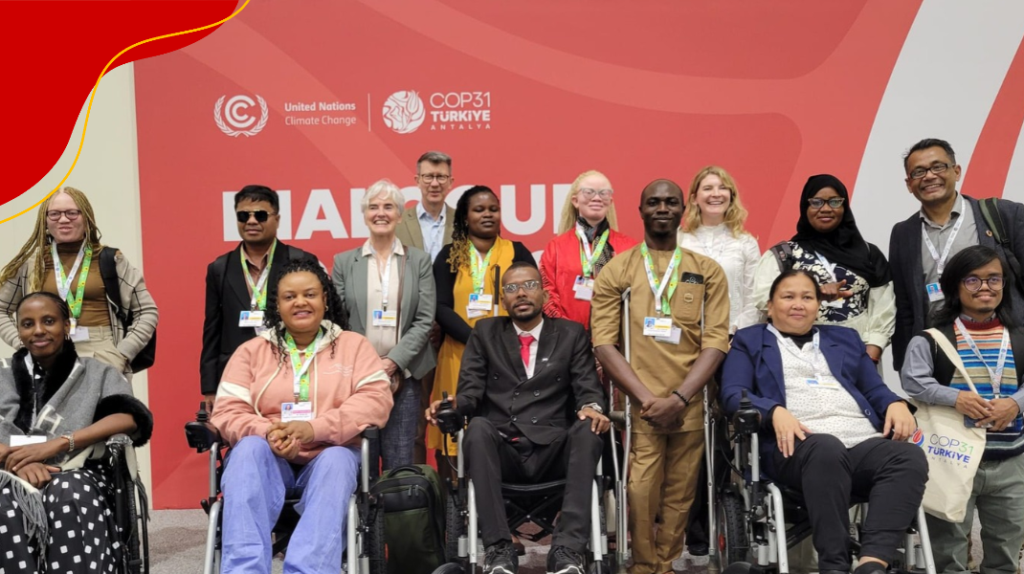
In a world first, funding from the Scottish Government has enabled CBM to support nine additional representatives from Organisations of Persons with Disabilities (OPDs) to get to Türkiye and take part in international climate talks at COP31.
All nine representatives are from Global South countries across Africa and Asia. This is important because countries that have contributed the least to the climate crisis often face its greatest consequences.
And it’s disabled people who are frequently hit hardest by the impacts of climate change – but who are rarely included in decisions about how to respond. This funding will help make sure their voices are heard.
Voices like Angelina’s, who is from Global Disabilities Green Initiative (GDGI) in Nigeria. She wants to see people with disabilities as decision makes in climate action, not just beneficiaries.
For Angelina, being at COP31 matters because “access to climate finance and real representation, especially for women and girls with disabilities, belongs in every conversation about our climate future.”
“Consultation isn’t enough,” she says. “Persons with disabilities should be leaders, contributors and decision-makers in climate action, not just beneficiaries.”
Funding that means people with disabilities can take part
In practice, the funding means more people from the disability movement can be at COP31. And that gives them a platform to share their lived experience and local knowledge to help shape outcomes that will affect their communities.
As Josephine Mwatibo and Gordon Rattray, UNFCCC focal points for Disability Climate Caucus, explain: “It [the funding] goes beyond the logistics of travel, registration and preparation. It also covers the accessibility requirements that make participation possible, such as sign language interpretation, personal assistance and accessible accommodation. Without these, being at the event is not the same as taking part.”
For CBM the funding allows us to continue to support the Disability Caucus with additional and diverse representation from OPD members. Mark Barrell, Director of Advocacy at CBM UK, said: “This investment allows those attending COP31 to hear a greater breadth and depth of voices from across the disability movement at the highest global level about their lived experience and expertise around accessible climate solutions. It’s vital that their calls for inclusive climate action – and how fairer climate finance can help achieve this – are listened to. Because they and their representative organisations will continue to drive this work long after everyone has left Türkiye.”
The difference government support can make
The funding is part of a wider £375,000 investment to support human rights and disability inclusion in the global response to climate change. As well as enabling more OPD members to attend COP31, it supports the UN Special Rapporteur on Climate Change and Human Rights and extends funding for the Regions4 Just Resilience Action Platform, which helps Global South regions access climate finance.
“This funding continues Scotland’s efforts to make sure those who have done the least to cause the climate crisis but are most vulnerable to its worse impacts have a voice in international decisions”, said Scottish Government Climate Action Secretary Gillian Martin. “Climate justice is central to our approach. We want finance to reach those hit hardest, through locally led action that puts women, disabled people and Indigenous Peoples at the heart of climate solutions,” she added.
For OPDs it’s about turning recognition into influence
For the disability advocates attending COP31, the priority is turning recognition into real influence. This means ensuring people with disabilities can shape climate policies, challenge decisions and hold governments and institutions accountable.
Poyeya from the Africa Albinism Network, who is at COP31 thanks to Scottish Government funding, has a keen understanding of how climate change disproportionately affects the most vulnerable.
“Extreme heat (the current El-Nino situation), persistent droughts and greater sun exposure are significant health risks in Botswana, especially for people with albinism,” she says. “Therefore, inclusive disaster preparedness and response to climate change, healthcare and social protection should all be supported by climate funding. People with disabilities should be acknowledged as equal collaborators in the development, application and implementation of climate solutions.”
Rokiatou from the Malian Association of Deaf (AMASOURDS), another COP31 attendee, is passionate about making climate action, adaptation policies, and environmental governance fully inclusive of deaf women and deaf people.
“Fair climate finance must directly reach initiatives led by and for deaf women and young deaf people,” she explains. “This ensures adaptation measures are fully accessible in sign language, strengthens their financial independence, and transforms these young people into true leaders for climate justice. Direct funding for local OPDs guarantees a lasting impact for the most marginalized communities.”
Want to find out more?
Follow CBM’s COP31 updates and hear more from the OPD representatives attending throughout the conference on LinkedIn.
Join or watch these side events to hear more from CBM:
Accessible Climate Finance: From Global Funds to Local Impact
12 November 2026 | 13:15–14:45 | Side Event Room 1, GORDION
Climate Governance and Meaningful Participation
14 November 2026 | 13:15–14:45 | Side Event Room 1, GORDION
More news like this
November 11, 2026
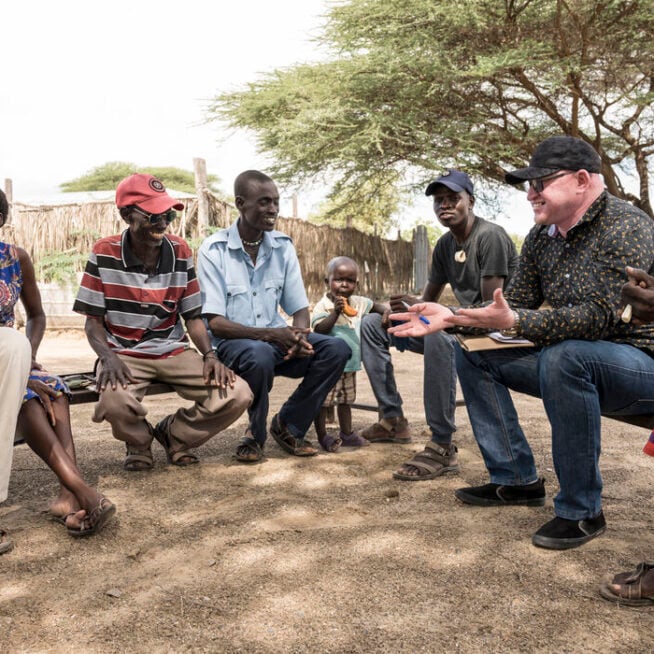
New CBM research exposes disability gaps in climate finance – and how to close them
New research reveals why climate finance is failing to reach Organisations of Persons with Disabilities – and why their leadership is essential to achieving effective climate action.
October 30, 2026
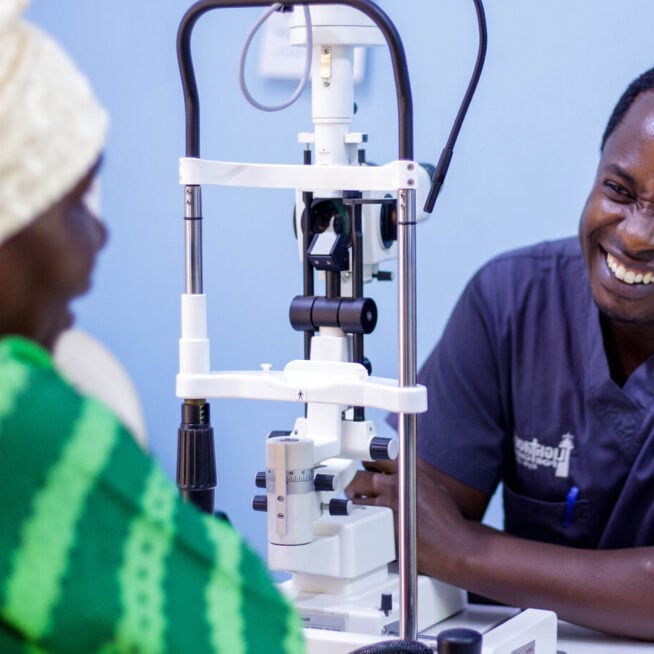
CBM Global makes five commitments to improve access to eye care
Everyone should be able to get the eye care they need. But cost, distance and inaccessible services still prevent many people from getting an eye examination or treatment.
October 6, 2026
World Sight Day: shining a light on eye health and CBM’s work
This World Sight Day, we’re shining a light on the importance of accessible eye care and the simple innovations helping to bring sight-saving services closer to the people who need them.