Kirsty Smith, CEO of CBM UK, reflects on our two-year partnership with CAFOD to strengthen disability inclusion across its Nigeria programme and wider global work. The partnership has focused on turning commitment into everyday practice, while learning what works and sharing the changes that happen when inclusion becomes everyone’s responsibility.
Strengthening disability inclusion with CAFOD
Posted on:
Tuesday, September 22nd, 2026
Author:
Kirsty Smith
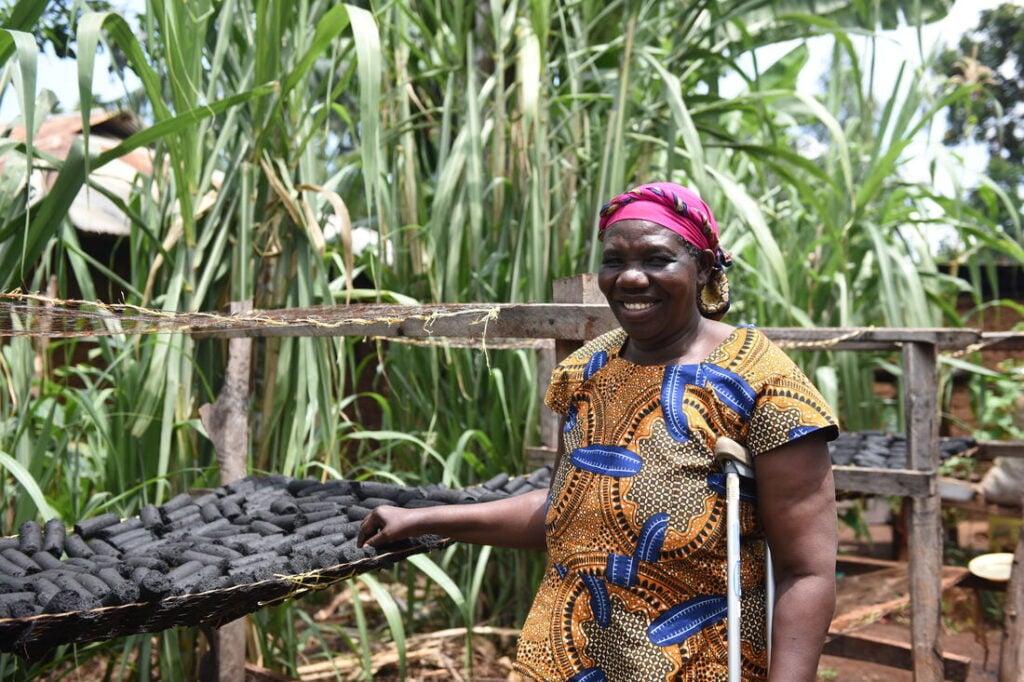
Over the past two years, CBM Global has worked with The Catholic Agency for Overseas Development (CAFOD) to strengthen disability inclusion across its programmes in Nigeria and beyond.
This partnership was built around learning, practical support and, most importantly, change. Together, we looked at what it takes to move from acommitment to disability inclusion to making itpart of everyday practice.
Our aim was simple: to help ensure that people with disabilities can participate in, influence and lead the programmes that affect their lives.
The work brought together teams from CBM Global in the UK and Nigeria, alongside our partner organisation, the Nigeria Joint National Association of People with Disabilities (JONAPWD).
As Claire Grant, Gender and Inclusion Advisor at CAFOD, explains:
“Working with CBM has really helped catalyse this process for us at CAFOD – it’s given us the impetus, technical confidence and momentum to take the next steps required.”
How the partnership started
In 2023, CAFOD identified disability inclusion as an area where staff wanted more practical knowledge, tools and support.
The partnership formally began in January 2024 with a disability inclusion review of CAFOD Nigeria’s programmes. This gave us a clear picture of what was already working, where barriers remained and where there were opportunities to make programmes more inclusive.
This was followed by a three-day learning workshop for CAFOD staff and partners, as well as regular mentoring from the CBM Global Nigeria team.
Together, we also developed a pilot advocacy project with CAFOD’s partner, Centre for Women Studies and Intervention (CWSI). The project focused on addressing violence against women and girls with disabilities.
But the work did not stop in Nigeria.
We also supported CAFOD’s global community of practice through training and learning sessions on disability inclusion, disability data, gender and intersectionality, and inclusive monitoring and evaluation.
A mini-helpdesk provided further support to CAFOD teams in countries including Zimbabwe, Afghanistan, Sierra Leone and Liberia. This meant teams could ask questions, get advice on their programmes and connect with Organisations of Persons with Disabilities (OPDs) in their own countries.
Turning learning into action
One of the biggest changes we saw was a shift from awareness to action.
CAFOD Nigeria and CWSI staff became more confident in understanding disability inclusion, working with OPDs and using inclusive language.
Perhaps most importantly, people began to challenge assumptions about disability.
The focus moved away from seeing people with disabilities through a welfare lens and towards recognising their rights, choices and autonomy – and identifying and removing the barriers that prevent people from participating.
As Abdulmumuni Sulayman, Disability Inclusion Advisor at CBM Global Nigeria, says:
“What made the biggest difference was the commitment of CAFOD and CWSI staff to learn, unlearn, and relearn. Week by week we saw confidence grow, and that is what makes change sustainable.”
That learning is now being put into practice.
CAFOD and CWSI have started building disability inclusion into projects from the beginning. This includes making communications accessible, budgeting for reasonable accommodation and adapting how projects identify and reach participants.
For Chukwuedozie Abazie, Programme Manager at CAFOD Nigeria, one important lesson was that accessibility needs to be planned for and properly resourced.
“I have learned that inclusion cannot thrive without a commitment to account for the costs of reasonable accommodation and accessibility in project budgets.”
CWSI has also taken this learning into other areas of its workand has begun approaching OPDs directly for advice and support.
The importance of working with people with disabilities
A key part of the partnership was working alongside OPDs.
JONAPWD and local OPDs helped shape the work throughout the project. They co-facilitated training, advised on community engagement and helped identify accessible venues.
This helped strengthen relationships between CAFOD, its partners and the disability movement.
It also reinforced something we know at CBM: people with disabilities must be involved in decisions that affect their lives.
“This effort ensured that every voice was not only acknowledged but truly valued,” said Uche Andrew, Disability Inclusion Advisor at JONAPWD.
What we learned about supporting organisations
The partnership has also helped CBM learn more about how best to support organisations to strengthen disability inclusion.
Training on its own is rarely enough.
The most effective approach combines training with mentoring, practical advice, and opportunities to put learning into practice.
Working with CAFOD at different levels – from its global team to the Nigeria country office and local partners – helped us see the value of this joined-up approach.
The final learning event showed just how deeply this work has influenced attitudes and approaches within CAFOD and CWSI. The changes were specific and meaningful, and that’s what good advisory support aims for.
Sharing the learning
We wanted the learning from this partnership to reach beyond the project itself.
The team developed four case studies looking at different aspects of inclusive programming, including:
- inclusive budgeting
- creating enabling environments
- inclusive facilitation
- working with OPDs
The helpdesk also produced practical advice for CAFOD teams working in several countries.
The response was so positive that CAFOD extended the helpdesk for a further six months, allowing more country teams to access support and act on the recommendations they receive.
The experience was shared through CAFOD’s internal learning events, helping to build wider understanding and momentum around disability inclusion.
Looking ahead
There is a strong appetite within CAFOD and its partners to keep building on this work.
In Nigeria, internal champions are emerging, while CAFOD and CWSI are taking forward work on accessibility, inclusive recruitment and stronger engagement with OPDs.
For us at CBM, this partnership has reinforced an important lesson: lasting change happens when disability inclusion becomes part of how organisations work, rather than something added to a project at the end.
That means investing in people, providing practical support over time and making sure people with disabilities and their representative organisations are involved in shaping solutions.
The learning from CAFOD and CWSI will continue to inform our advisory work and help other organisations strengthen disability inclusion across their programmes.
And that is ultimately what this partnership has been about: turning commitment into action and making inclusion part of everyday practice.
More news like this
August 4, 2026
Putting people at the heart of change: Andy Burnham’s chance to rewrite Britain’s international development legacy
In 2024 Labour promised a world free from poverty on a liveable planet.
July 18, 2026
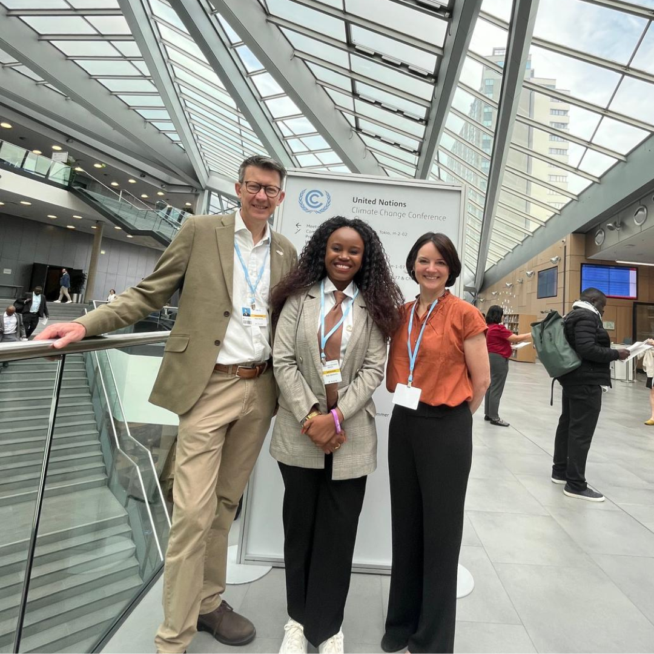
Disability inclusive climate action gains momentum at SB64
At this year’s Bonn Climate Change Conference, known as SB64, the Disability Caucus showed just how far disability inclusion has come – and demonstrated how much further it can go.
July 15, 2026
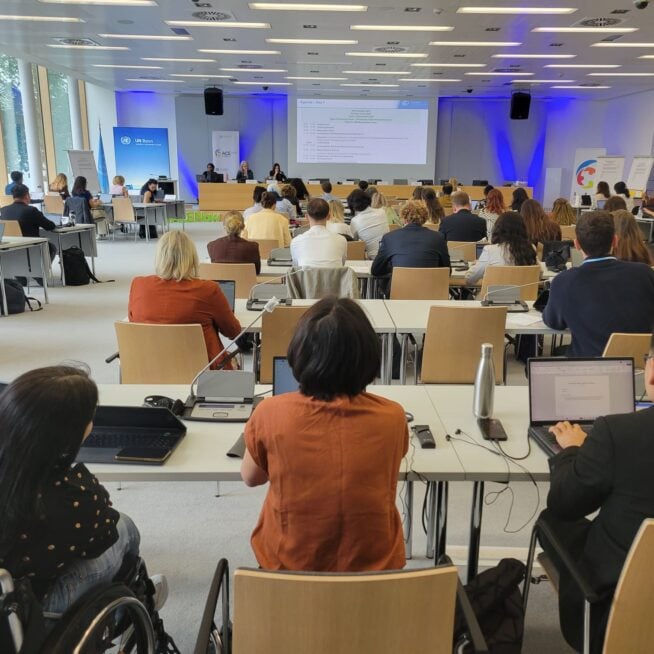
Disability inclusive climate action is better climate action
This June, CBM UK joined government representatives and other civil society organisations, including disability activists, to participate in technical workshops on Action for Climate Empowerment (ACE), and contribute disability inclusion perspectives.