
Community champions play a critical role promoting health and wellbeing. As trusted local figures, they use their social networks and life experience to break down barriers that stop people seeking healthcare. Eye health is just one area where they can make a big difference.
What are community eye health champions and why are they needed?
Posted on:
Friday, November 27th, 2026
Eye health is one of the largest unmet health needs globally. The World Health Organization (WHO) estimates that around one billion people across the globe live with avoidable blindness.
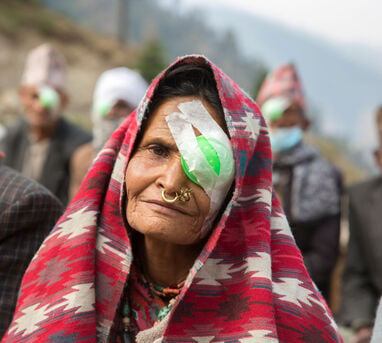
Avoidable blindness refers to conditions that could have been prevented or are yet to be addressed. Most of these cases could be treated through cataract operations or prescription glasses.
In fact, around 9 out of 10 cases of avoidable blindness affect people who live in low- and middle-income countries, where public health services are limited and private care is expensive.
CBM works in these settings to deliver essential sight saving work, such as cataract operations and inclusive eye health services. We work in partnership with government bodies, communities and Organisations of Persons with Disabilities (OPDs) to strengthen the local, regional and national systems that deliver eye health.
What is a community health champion?
Community health champions volunteer to promote health and wellbeing and improve conditions in their local area. As trusted members of the community, they use their social networks and life experience to address barriers to engagement and improve connections between services and disadvantaged communities.
Activities might include sharing their own experiences of treatment, supporting community dialogues and radio programmes, and referring neighbours and family members to local services.
How did community champions support eye health in Zimbabwe?
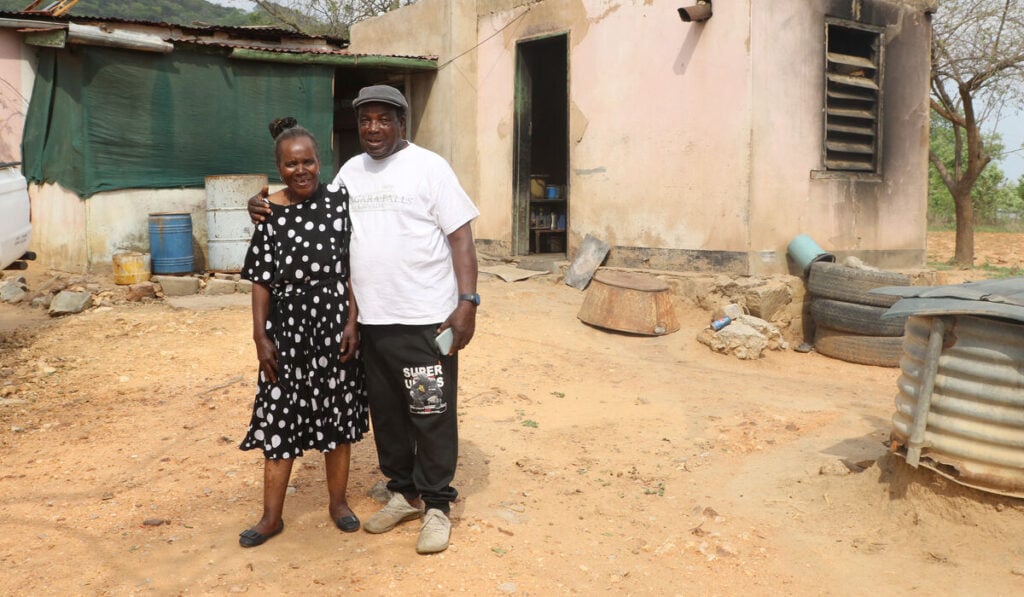
Nelly is 70 years old and lives in Zimbabwe. Her family owns a small tuck-shop and Nelly also works as a traditional healer. Common across Africa, traditional healers are also known as faith healers or spirit mediums. They are often the first point of contact for care, as they are easier to reach, less expensive and more trusted.
Nelly’s eye problems began in 2003 and by 2015 she was losing her vision. Like many people living with avoidable blindness, she could not access or afford eye health treatment like cataract surgery or glasses.
After hearing about a CBM project in her local area, Nelly received life changing cataract surgery free of charge through an eye camp. Eye camps are outreach events, where eye health teams bring screening, cataract surgery and glasses to a community or district hospital. They can help meet immediate gaps in services while longer-term investments are made and can reduce travel distances for care.
As a result of CBM’s intervention, Nelly now volunteers as a community champion, sharing her own experiences of cataract surgery and referring people to eye health services.
“I was part of the first 30 people operated on day one. We were treated with respect and dignity….I was amazed when they removed the bandage and I started seeing again with my eye. I saw the doctor who was wearing a checked shirt and I screamed halala, I can see again. Now I can do all my house chores again and even thread a needle through a hole.”
Nelly is now both a community champion and a faith healer. She was educated about eye health alongside 861 village health workers and faith leaders. Faith leaders and healers like Nelly subsequently went on to refer 6,205 people to eye health services within six months of training. Nelly explains how she will support her local community:
“I will be referring people to the hospital for them to receive surgery working together with village health workers. I will also spread the news in the community about the need to go to the hospital teaching people about eye health since I meet a lot of people through my work. I also intend to resume my consultation activities in 3 months after recovery. As much as I use traditional medicine to treat people of various ailments, I will not encourage anyone to continue using traditional medicines for eye conditions because I tried that, but it did not work. If anything, I will ask people to visit the hospital for eye conditions.”
Why are community champions important?
The eye health project that Nelly benefitted from took place in Zimbabwe’s Midlands Province. It brought critical sight saving work to rural communities by providing all eight of the local government district hospitals with essential eye health equipment and training. Over 54,000 people received eye health consultations, and 2,557 cataract operations were carried out.
Community champions play an important role in increasing service uptake. In many places that CBM works, trust in healthcare is low and fears are high. This can stop people seeking treatment even if the impacts of eye conditions are severe.
In Midlands Province some feared that anesthesia meant they would never wake up. And the local term for cataract surgery, kupara shanga (“scrubbing the cataract”), added to the stigma surrounding surgery. This is one of the reasons the project worked with provincial stakeholders and champions to change it to kubvisa shanga (“removing the cataract”).
By sharing their own experiences of surgery, community champions can help reduce fears about anesthesia and cataract surgery, acting as a bridge between local communities and eye health services. They also help raise awareness of local services to improve local people’s access to care. This can encourage people to seek care sooner, supporting earlier detection of eye health conditions.
Peer-to-peer advocacy by male champions was particularly effective in encouraging men to come forward sooner. This is important because men often delay seeking care.
Are community champions just for health projects?
Community champions aren’t only important for health programmes. Champions can also raise awareness of other important issues, such as climate change and disaster preparedness, mental health, or disability rights.
Community champions are playing an important role across CBM projects, advocating for disability rights and inclusive community decision-making processes and services. The trust they build and role they play continues long after a project has ended.
Find out more
To find out more about CBM’s approach to eye health, read our latest eye health project evidence brief and factsheet.
More news like this
November 6, 2026
Why CBM is calling for fairer climate finance at COP31
As world leaders prepare for COP31, the need for fairer climate finance has never been more urgent.
November 5, 2026
Trustees’ Week: Meet the people who shape CBM UK
This Trustees’ Week (9-13 November), we’re celebrating some of the people who help guide CBM UK towards a more inclusive world.
September 29, 2026
What is COP31 and why does it matter for people with disabilities?
As we approach COP31 this year in Türkiye, CBM UK reflects on what COP is, why it’s important, and what it means for people with disabilities across the world.