
The world is living longer. But as populations age, we need to make sure that this longevity is lived with dignity, choice and inclusion.
Longer lives must be inclusive lives: why ageing matters to disability inclusion
Posted on:
Thursday, October 1st, 2026
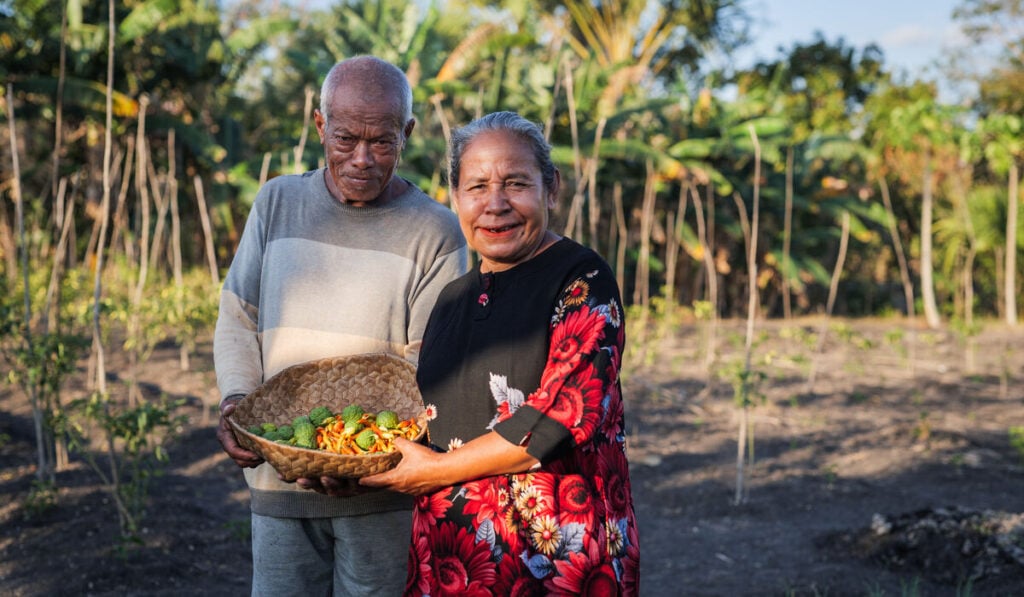
The United Nations estimates the number of people aged 60 and over will increase from 1.2 billion in 2025 to 2.1 billion by 2050. That’s about 21% of the global population. It’s why this year’s International Day of Older Persons (IDOP) on 1 October is all about longevity and how we rethink the systems needed to support longer lives.
At CBM, we know that aging often goes hand in hand with disability. In fact, the UN estimates that more than 46% of people aged 60 and over have a disability. And over 250 million older people experience this from a moderate to severe level.
Disability should not simply be seen as an inevitable consequence of getting older. But the barriers encountered – from inaccessible services to a lack of assistive technology – can have a major impact on people’s ability to participate fully in their communities and society.
The double discrimination of ageism and ableism
Older people with disabilities can face discrimination on two fronts: ageism and ableism.
In 2025, CBM Australia and the Fred Hollows Foundation looked at the ways ableism and ageism disadvantage older people with disabilities in development and humanitarian settings.
The report found that the challenges created by this double discrimination made older people with disabilities almost invisible. For example, in emergency situations, evacuation warnings often depend on written signs or loudspeakers, meaning older people with visual or hearing impairments can miss critical information if they don’t have the assistive devices they need.
The report also highlighted how older people sometimes have to choose between old-age and disability benefits. Or they may receive less disability support if impairments associated with older age aren’t recognised as disabilities.
And as CBM Global’s Inclusive Participation Toolbox explains, age-related discrimination – such as loss of autonomy – compounds the barriers already faced by people with disabilities. This can lead to social isolation, exclusion, poverty and abuse. And it’s why participation and decision-making processes must take both age and disability into account.
Making ‘nothing about us without us’ a reality
Inclusion is not just about designing better services. It is also about who has the power to make decisions.
The UN is currently working on a new legally binding agreement on the rights of older people – a United Nations Convention on the Rights of Older Persons. And they’ve said that older people’s full and meaningful participation must be at the heart of the process.
Earlier this year, Age International and 38 civil society leaders, including CBM UK, called on the UK Government to make sure this happens in practice. We signed a joint letter asking for older people’s lived experiences to be at the heart of the Convention as it is drafted.
Meaningful participation is also at the heart of a new report by Age International and Age UK. All our rights: Hearing from older people across the world brings together the experiences and views of older people in the UK and internationally, highlighting the rights that matter to them.
And this is particularly important for older people with disabilities, who should not have to choose between being represented as older people or as people with disabilities. Their experiences and priorities of both need to be recognised in every conversation.
Rethinking systems for longer lives
At CBM, we believe that older people, including older people with disabilities, should be recognised as people with rights and choices, not simply as recipients of care or support.
It’s why IDOP’s theme of longevity is an opportunity to rethink the systems around longer lives. And for disability inclusion, it means asking some practical questions:
- Are health and social care services accessible to people with different impairments?
- Can older people with disabilities access information and humanitarian assistance?
- Are communities set up for people to remain active and connected as they age?
- And, crucially, are older people with disabilities involved in decisions about the policies and services that affect their lives?
This International Day of Older Persons, it’s vital that disability inclusion remains part of the conversation about ageing. Older people with disabilities must be visible and heard, able to exercise their rights and make choices about their own lives.
Image: Yesua Paidjo with his wife Dina Paidjo showing produce from their garden. Yesua has a physical disability and is a member of an inclusive economic group in Indonesia where they live.
© Suryo Wibowo for CBM Global Disability Inclusion
Find out more about our work at COP
Read our policy paper ‘Locating Disability Inclusion in Climate Action’
More news like this
October 1, 2026
Your love can Light the Way This Christian Blind Mission Sunday 2026
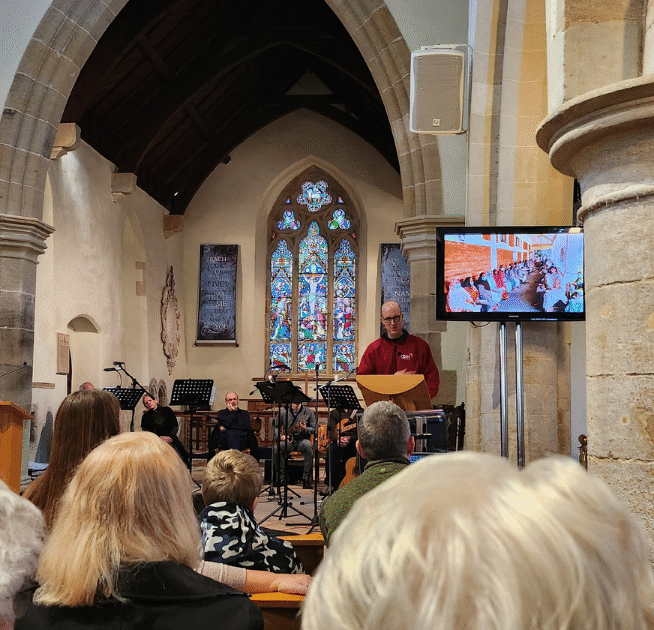
This year, Christian Blind Mission (CBM) Sunday falls on 12 October, the first Sunday after World Sight Day on 9 October. Churches across the country are invited to join CBM in prayer and reflection for people living with avoidable blindness.
September 28, 2026
One month on: CBM’s Nepal flood response continues
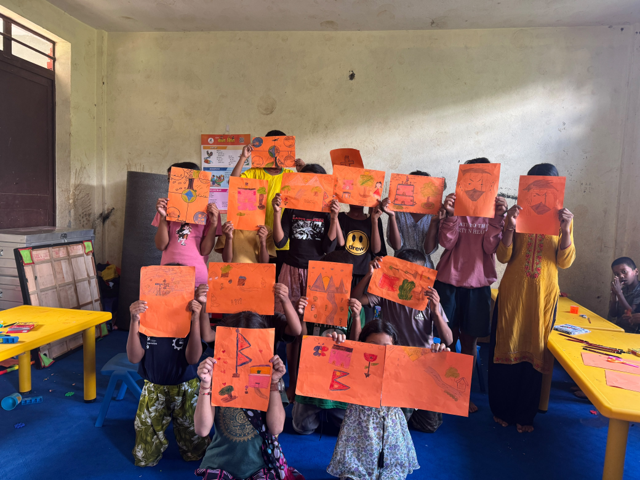
One month on from the devastating floods in Nepal, CBM's response and recovery continues through rehabilitation, mental health services and inclusive aid.
September 8, 2026
El Niño, extreme weather, and the impact for people with disabilities
Scientists are concerned that the coming El Niño period could bring yet more extreme weather to many parts of the world. This could directly threaten lives and livelihoods, as well as bringing food shortages for millions, with people with disabilities likely to be among the hardest hit.