Andy Burnham has been announced as the new UK Prime Minister. At CBM UK, we urge him and the government to keep people with disabilities at the heart of his international agenda.
Promises matter: why the new PM must keep inclusion at the top of his to-do list
Posted on:
Monday, July 20th, 2026
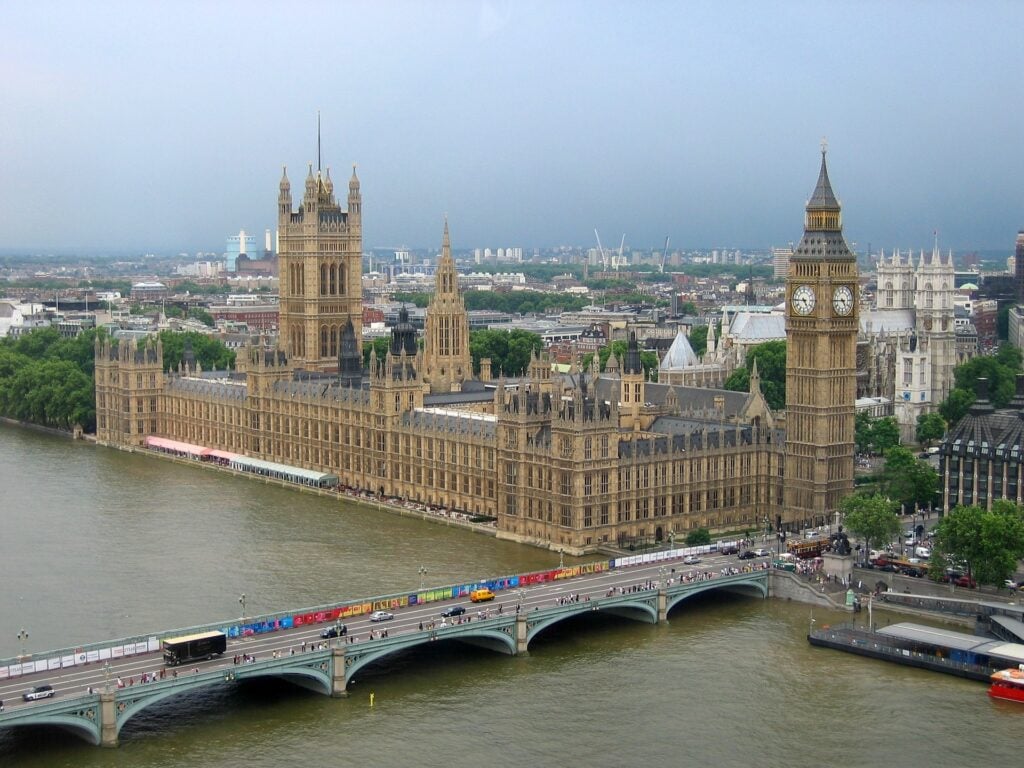
We warmly welcome the vision set out in his recent speech of “more collaborative politics” that takes power out of the centre and puts it “in the hands of the people and places who can use it best”. If he wants to truly build a politics of agency, possibility and hope, those principles for communities across the UK must extend to communities across the world – so everyone, wherever they live, has the power to shape decisions affecting their lives.
Keeping your promises
Labour came to power in 2024 on a manifesto that promised to “rebuild Britain’s reputation on international development”, grounded in “genuine respect and partnership with the Global South” and a mission “to create a world free from poverty on a liveable planet”.
Promises matter deeply to CBM UK, because an inclusive world, in which all persons with disabilities enjoy their human rights and achieve their full potential, cannot be built through words alone. It requires the UK to honour commitments already made.
“The true measure of any government is whether it remains committed to, and acts in the interests of, those who are most often overlooked. People with disabilities must not be left behind in the UK or around the world as Britain builds its future. By matching domestic renewal with inclusive international development, Andy Burnham has an opportunity to turn Labour’s promises into lasting change for the people who need it most.” Kirsty Smith, Chief Executive, CBM UK
Protect, don’t leave behind
CBM UK previously warned that aid cuts mean less access to health services, vital medicines, education, livelihoods and humanitarian assistance. The UK Government, only last week, gave further details of those devastating cuts which will hit many of the countries where our CBM UK partners work, including Bangladesh, Kenya, Nepal and Zimbabwe. These cuts (up to 90% in some countries) jeopardise access to vital services, inclusive development programmes and opportunities for people with disabilities to participate fully in society. They will reverse years of progress whilst increasing marginalisation and exclusion.
A government that speaks of fairness, partnership, humanitarianism and multilateral leadership must ensure that its development choices protect the poorest and most marginalised, rather than failing the communities the UK has promised to support.
What next
It means ruling out further reductions to the aid budget, reaffirming the commitment to return to aid at 0.7% of UK income when it is financially possible. But it also includes honouring the promises made under the UN Convention on the Rights of Persons with Disabilities, which this year celebrates its 20th anniversary.
It was good to hear the rejection by the new Prime Minister of the old “trickle-down” model of money and wealth for domestic renewal. That approach is also proven not to work for international development. Instead, we know that intentional partnering from the outset with local communities is key to achieving lasting, sustainable change. Crucially, this includes putting people with disabilities at the heart of decisions which affect their lives to ensure that no one is left behind.
This is not only the right thing to do, but also the best way to deliver development that is effective, accountable and led by the communities themselves.
By enabling this approach, the new Prime Minister can demonstrate that Britain keeps its promises and stands alongside some of the world’s most marginalised people. At CBM UK, we urge him to take decisive action now.
More news like this
September 8, 2026
El Niño, extreme weather, and the impact for people with disabilities
Scientists are concerned that the coming El Niño period could bring yet more extreme weather to many parts of the world. This could directly threaten lives and livelihoods, as well as bringing food shortages for millions, with people with disabilities likely to be among the hardest hit.
September 2, 2026
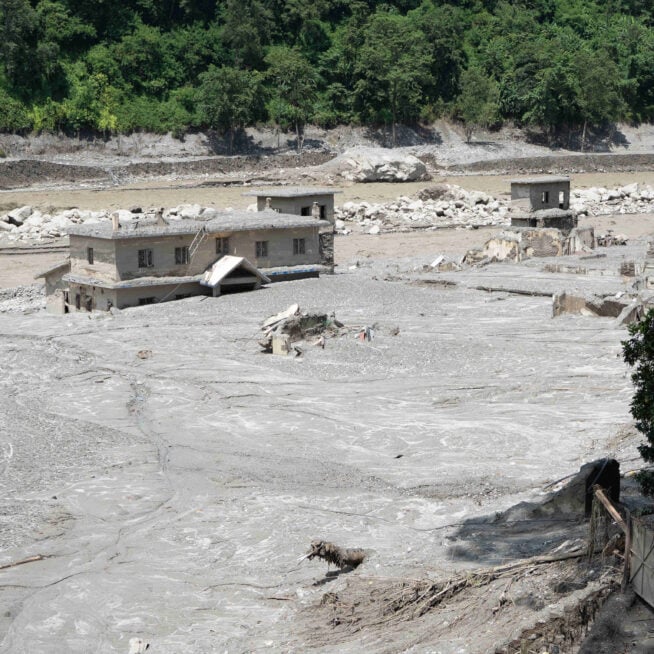
How we’re responding to the deadly floods in Nepal
In the chaos of a disaster, people with disabilities are often among the worst affected and the last to receive help. That's why we're working alongside local partners in Nepal to support those most at risk – and most often forgotten.
August 6, 2026
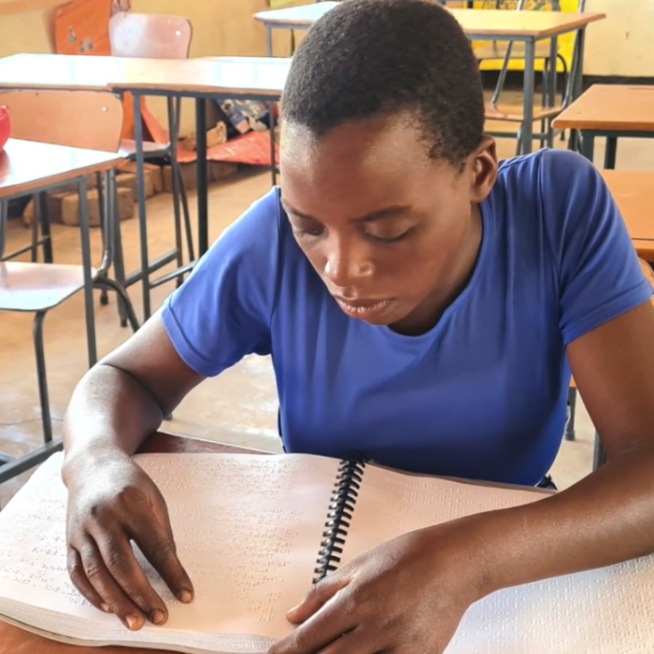
How inclusive education can transform the lives of girls with disabilities
How an inclusive education project in Zimbabwe reached more than 20,000 out-of-school adolescent girls and provided them with essential skills, confidence and independence to live fulfilled lives.